LIDO LEARNING (ACQUIRED BY BYJU'S)
Designing the instructional system behind 4,000 live classes a week
I built the instructional framework, led the design team that shipped the lessons, and trained the tutors who delivered it across four regions.
INSTRUCTIONAL DESIGN · CURRICULUM · LEARNING EXPERIENCE · TRAINING & ENABLEMENT
COMPANY
Lido Learning (acquired by BYJU'S)
ROLE
Senior Curriculum/ Learning Designer
DURATION
2020 – 2021
GRADES
K – 5
REGIONS
US · UK · New Zealand · MENA
WHAT I OWNED
Instructional design · curriculum development and delivery · tutor training
Overview
Lido Learning was an Indian EdTech (later acquired by BYJU'S) running customized group online tutoring for students in the US, UK, New Zealand, and MENA. The K-5 squad worked as a team to deliver 4,000+ lesson every week through 2,000+ tutors across the regions of India, USA, UK, New Zealand and Middle East region
The Problem
Pandemic send demand for live tutoring classes through the roof and consistency and processes were needed to ensuring the scaling up of the K-5 tutoring classes was done consistently and efficiently.
The Solution
I helped build the processes and structures for the K-5 squad, enabling our small team of 5 curriculum designers, 1 senior designer, and 1 operations head to deliver 40+ lessons weekly.
The Outcome
10K+ students reached across grades K-5 through the instructional framework I designed: delivered in 4,000+ live classes a week, by 2,000+ tutors, across four regions, who I helped train on pedagogy.
WHAT I OWNED
Learning & Design
Instructional Design and Learning Experience Design
Built the lesson framework every class runs on: essential questions, chunked teach-time, energizers, and assessment baked in.
Added characters, energizers, and reflection moments into every lesson, then tweaked timing of lessons based on feedback from real class recordings.
Content Production and Delivery
Led 5 designers shipping 40+ multi-subject lessons across Math, Science, English, Coding & SEL for K-5 and ensured the lessons were delivered to design on time every week according to pipeline
Training & Enablement
Trained 400+ tutors a month to deliver the lessons, pedagogy and framework consistently across four regions.
INSTRUCTIONAL DESIGN
The K-5 Playbook for lessons and content delivery
I built a structural framework that my team of 5 curriculum designers could use for building the lessons. As it was for grades K-5, I made it play-based, using a lot of games and talking and reflection for the student. The lesson architecture was grounded in cognitive load theory and backward design so that any curriculum designer could build a lesson plan that was easy for the tutors to use and ensured consistency in our lesson experience delivery.Assessments were included in the following ways:
Formative · in-class
Oral assessment graded against a rubric
End-of-class quizzes or a game
Summative · across units
Milestone tests (10–15 questions) gamified
Capstone projects + showcase sessions
CURRICULUM · LEARNING EXPERIENCE
Turning 21st-century skills into something a 6-year-old wants to earn
Abstract skills like "critical thinking" mean nothing to a five-year-old. So I mapped seven core competencies to seven characters kids could collect — a motivational layer that ran across lessons, badges, syllabus, and even sales decks.

Content Creation: 20 lessons weekly, across five subjects
I led five instructional designers turning the framework into shipped lessons 20 a week across Math, Science, English, Coding, and SEL, split for grades K-2 and 3-5. We built in Articulate Rise using ADDIE and backward design, then handed off to the design team to layer in the LIDO characters. SMEs set the subject content. I ensured the lessons were delivered to the design team according to production pipeline, any delays communicated and ensuring the content pipeline moved as needed.
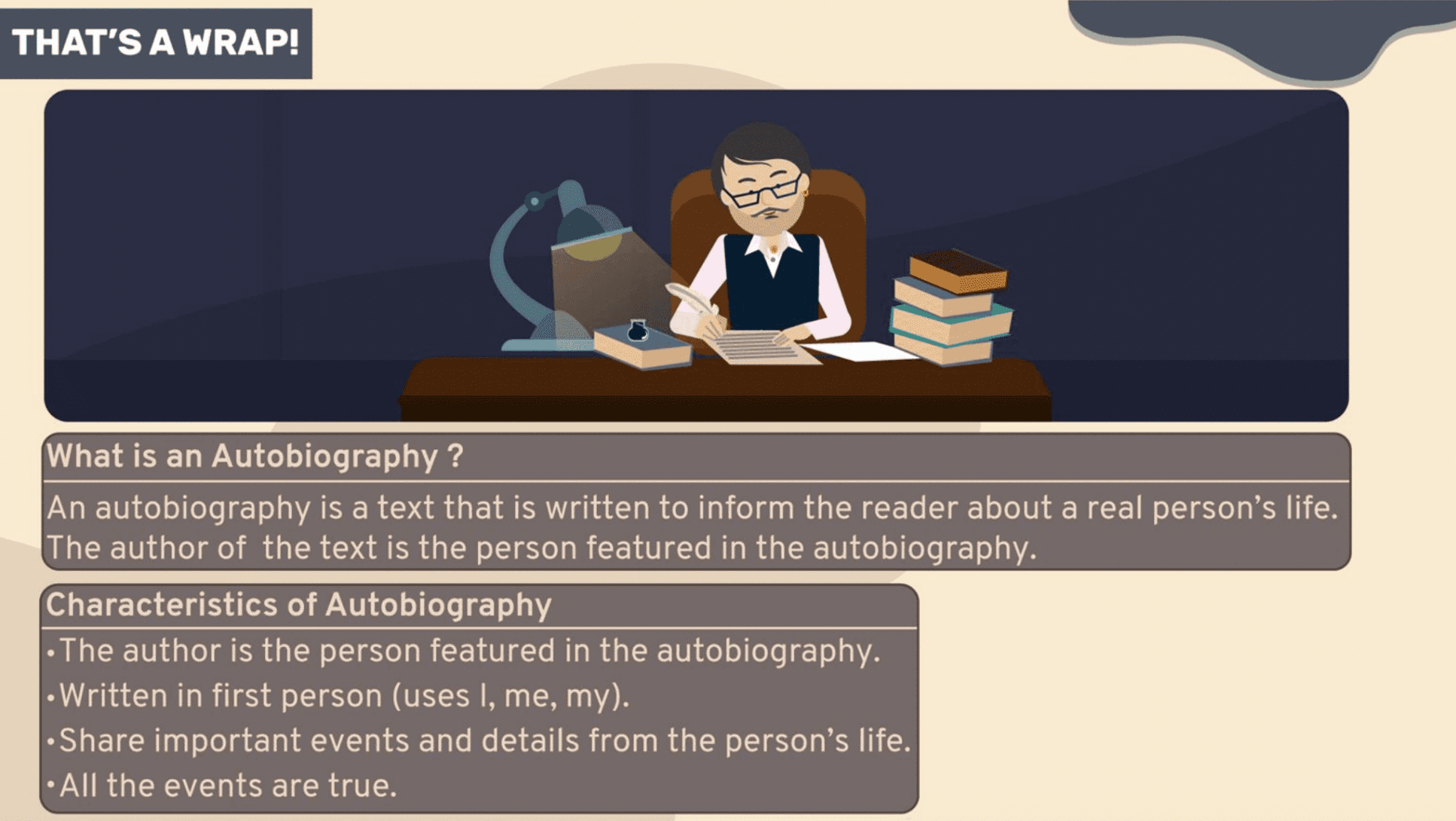
ENGLISH · GRADES 3-5 · LESSON SLIDEs MADE ON ARTICULATE RISE
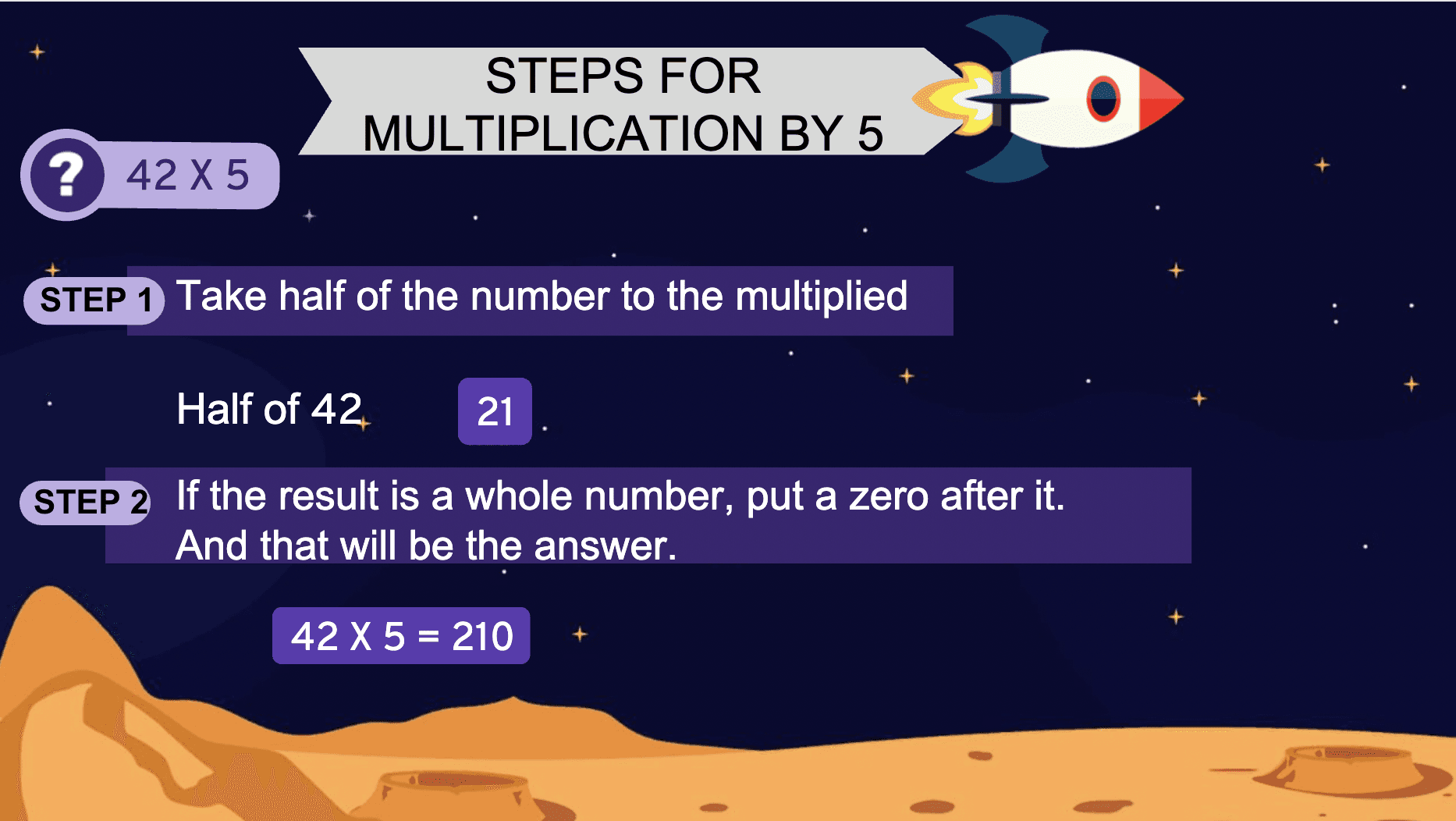
MATH · GRADES 3-5 · LESSON SLIDES MADE ON ARTICULATE RISE
GAMIFIED ADVENTURE
Gamified Lesson Assessments
The original Lido lessons are proprietary, so this is a playable recreation built with AI to show the gamified structure we shipped: a scaffolded learning path, immediate feedback, XP and badges, and a mastery check at the end. Try it below.
TRAINING & EVALUATION
Training 400 tutors a month to deliver it consistently
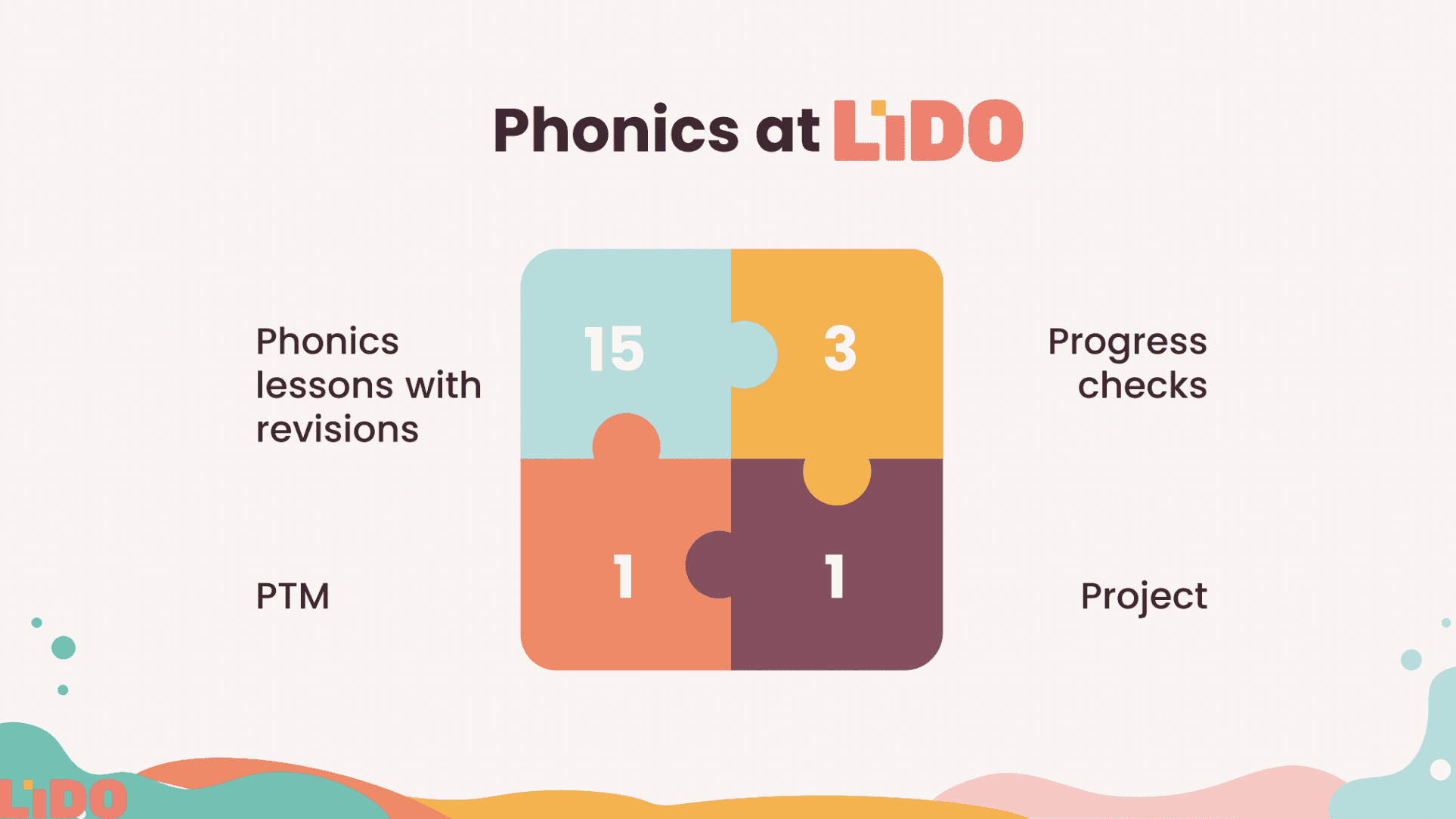
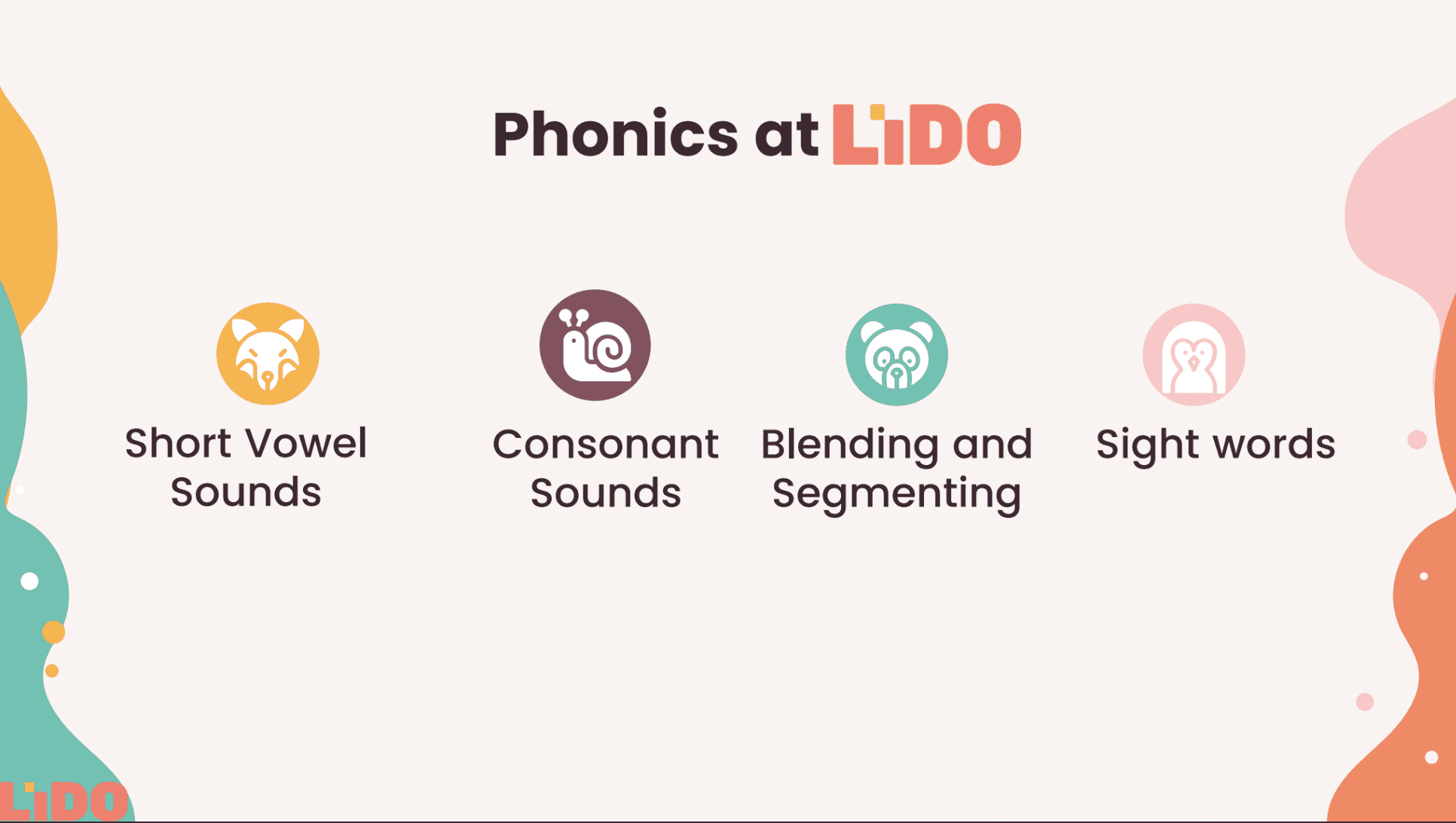
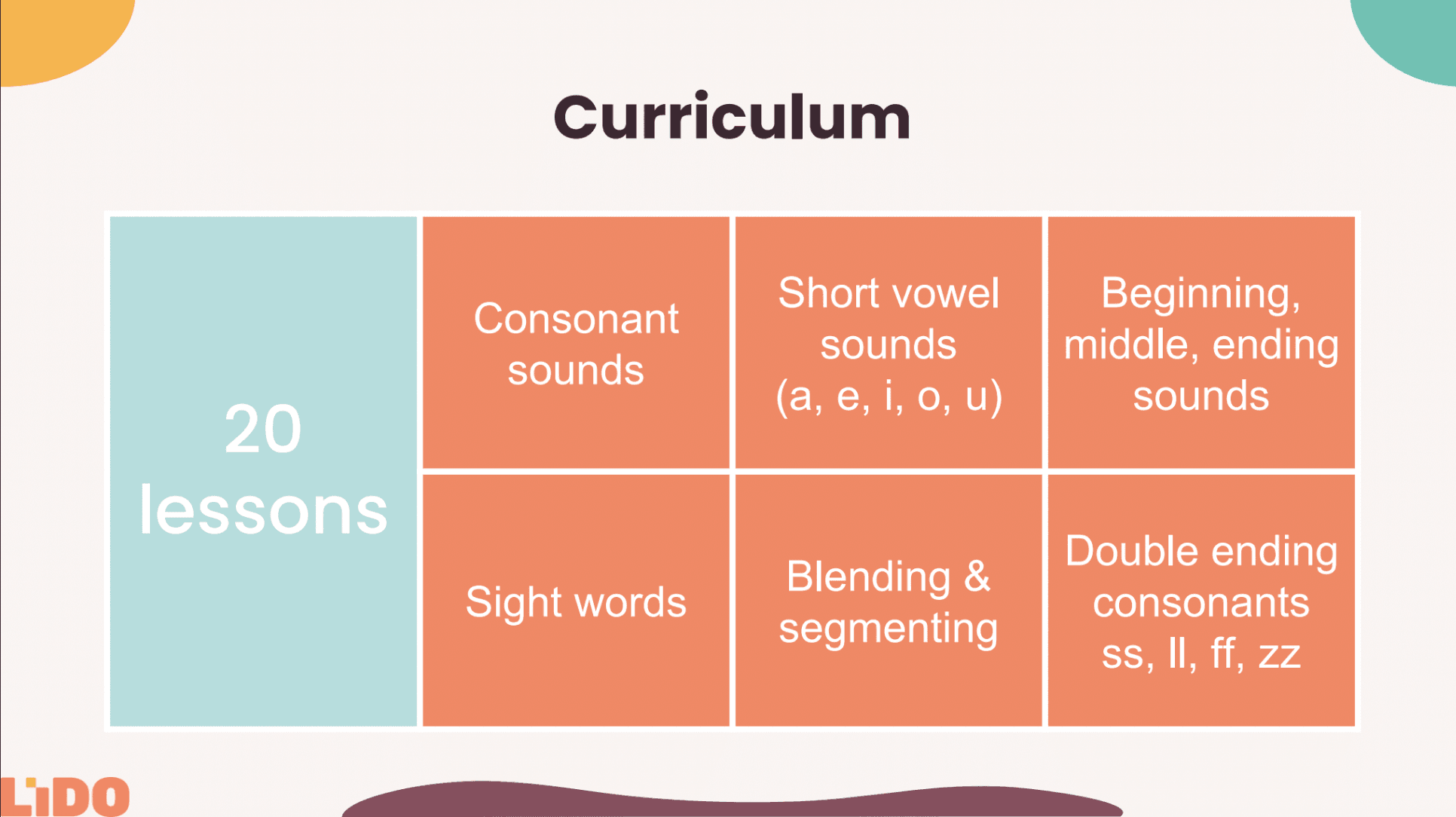
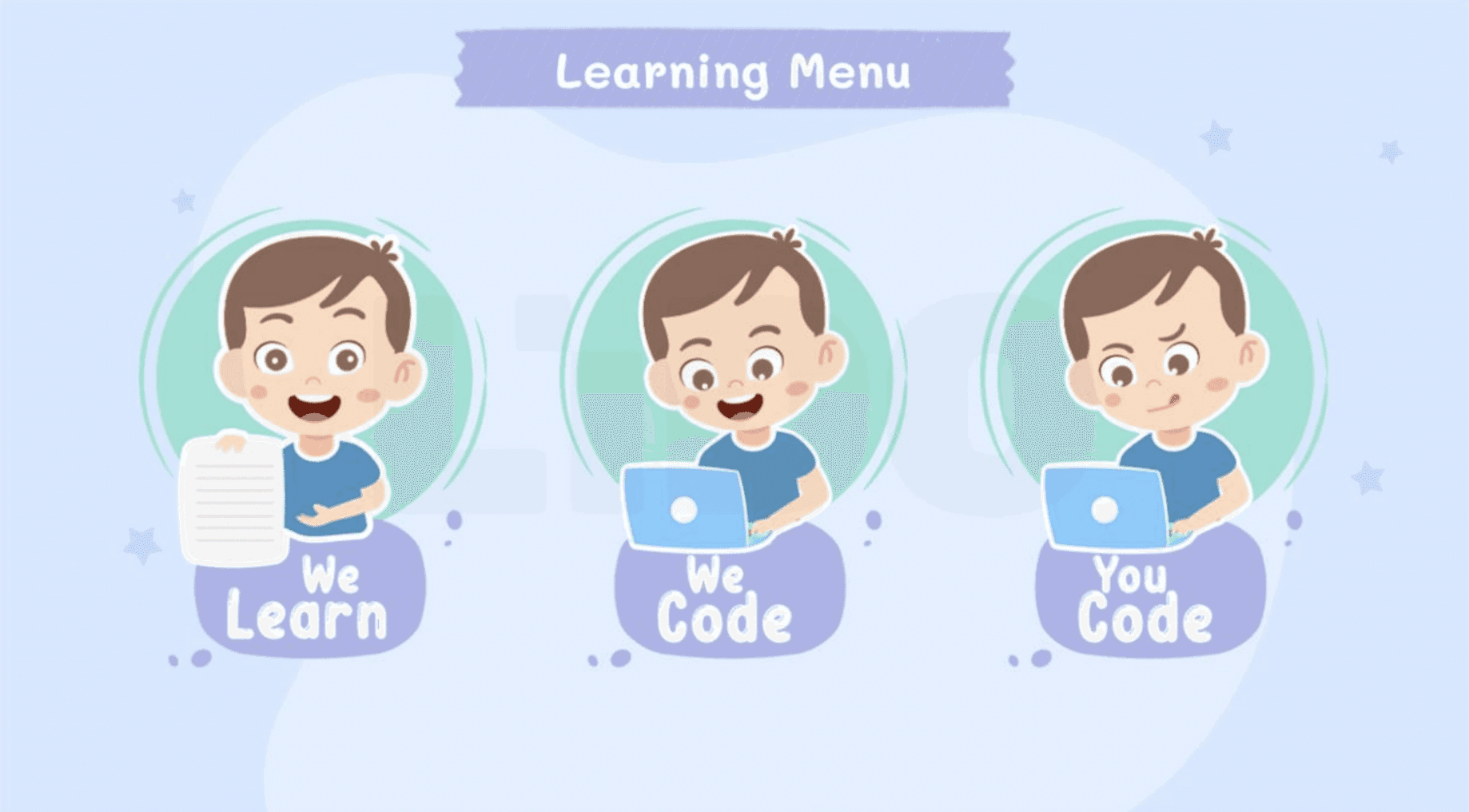
The instructional framework only works if ALL the people delivering it understand it. Every week, I trained 400+ tutors on the lesson format, the characters, and the conceptual moves that matter most when teaching phonics and early math, so the energy, rigor, and pedagogy held up in every classroom
I went over energizers to use, behavioral observations to pivot instruction and how to condense the content within the lessons if challenges came up as well as pivoting it based on the students energy levels and pace.
An evaluation rubric so the people training our tutors were the right hire
The trainings only held up if the trainers did. I wrote an interview framework any trainer could use for evaluation of the tutors: what to test for, why it matters, the questions and scenarios to use, and a shared 1–4 score so two interviewers rated the same person the same way.
OUTCOME
100+
LESSONS DESIGNED
Live-class lessons built using ADDIE, Backward Design, and formative assessment.
400
TUTORS ENABLED · MONTHLY
Online tutors onboarded and trained every month, across subjects and grades.
5
DESIGNERS LED
Instructional designers shipping multi-subject lessons every week.
REFLECTION
What I Learned
This role taught me how to design system processes and helped me understand the level of coordination and sync needed across departments. I learned how to build frameworks, manage a team, communicate effectively across teams, and conduct training at a mass scale. I had the privilege of working with one of the best teams and realized how important creative synergy and communication in a squad are. I also got a first-hand look at how digital teaching can cater to the youngest tots, who don't love being in front of a screen, and teaching virtually required a high level of energy, excellent games-based pedagogy, and ensuring more talk time for the students!